Ready to Work Together? Build a project with us!
Urbans Contractor INC serves condo associations, co-op boards and property managers throughout Bergen County with structural integrity law repair work. Bergen County holds one of New Jersey’s densest concentrations of covered condominium and co-op buildings — Fort Lee’s high-rise corridor, Hackensack, Englewood, Teaneck and the Palisades towns — and a growing number of those buildings are now turning inspection findings into construction projects.
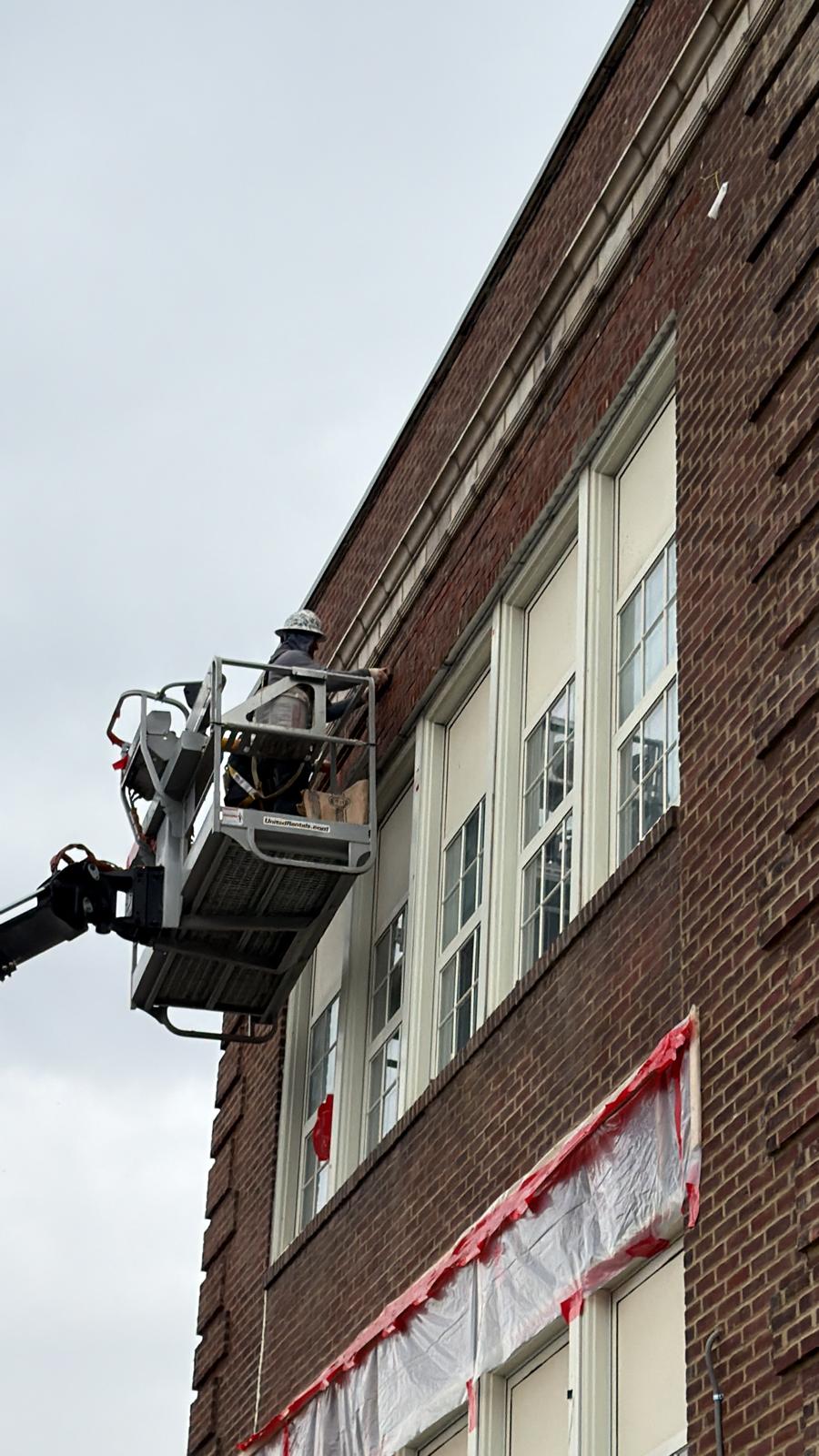
We don’t perform the mandated inspections — we execute the repairs your engineer’s report and reserve study call for. A New Jersey-licensed Professional Engineer inspects and reports; Urbans then takes that documented scope, sequences it sensibly and builds it, so a board can move from findings to finished work without losing the thread of the report. Typical scopes include concrete restoration, masonry and brick work, facade work, parapet and balcony repairs, and waterproofing.
Because Urban is based in Saddle Brook, in Bergen County, county boards are working with a team close to the buildings themselves. Work is planned around people still living in the building, board approvals and reserve budgets, in close coordination with the association’s own engineer. For the statewide background, see our structural integrity law contractors in New Jersey page, and for the wider places we cover, see our service areas page. Contact us for a free consultation to talk through repair scope, phasing and timing.
New Jersey’s Structural Integrity Law, S2760/A4384 (P.L. 2023, c.214), was signed on January 8, 2024, following the Surfside collapse. It sets inspection and reserve-study requirements for certain residential condominium and co-operative buildings, with the aim of identifying structural deterioration before it becomes a safety problem.
Covered buildings are residential condos and co-ops with concrete, masonry, steel or hybrid load-bearing systems, including podium decks. Inspections under the law are performed ONLY by New Jersey-licensed Professional Engineers, working under ASCE protocols, and reports are filed with the municipal construction official. The law also requires capital reserve studies and a 30-year funding outlook, so associations plan for major work rather than reacting to it.
For Bergen County buildings, common findings mirror the statewide pattern: facade deterioration, parapet defects, steel corrosion and waterproofing failures. Those are repair items, not inspection items — and they are where Urbans comes in, once the engineer has documented them.
Timing matters. Buildings that were 15 or more years old when the law took effect had their first inspection due January 8, 2026. Re-inspection follows every 10 years for buildings under 20 years old and every 5 years once a building reaches 20 years. An inspection is also required within 60 days of observable damage. A Bergen County board that has received a report is therefore usually at the point where repair planning, not further inspection, is the next step.
We repair spalled, cracked and deteriorated concrete identified in your Bergen County building's engineer's report, restoring strength and a sound surface.
Cracks in walls, slabs and load-bearing elements in Bergen County buildings are repaired according to the findings in the engineer's report.
Damaged brick and masonry in Bergen County condo and co-op buildings are repaired or replaced where inspection found deterioration, keeping walls sound.
Failed mortar joints on Bergen County buildings are raked out and repointed, restoring the masonry's bond and weather resistance.
Facade deterioration flagged in the report is restored for Bergen County buildings, including cracked surfaces, damaged masonry and failed joints.
Parapet defects are a common report finding in Bergen County. We repair or rebuild parapet walls where they are cracked, leaning or deteriorated.
Balcony slabs, railings and connection points on Bergen County buildings are repaired where inspections find deterioration, drainage or safety issues.
Where reports call for structural steel work in Bergen County buildings, we install or repair reinforcement that supports load-bearing elements.
Waterproofing failures flagged in reports for Bergen County buildings are corrected with membranes, coatings and joint sealants that stop water reaching the structure.
Podium decks and parking decks in Bergen County, which the law expressly covers, are repaired where concrete, drainage or waterproofing has failed.
Reserve-study line items for Bergen County buildings are turned into phased construction projects, sequenced around board approvals and funding.
Once repairs are complete, ongoing maintenance programs help Bergen County associations look after the restored work and spot new issues early.
If you are searching for structural integrity law contractors near me in Bergen County, NJ, you are most likely looking for the contractor who will carry out the work after the engineering phase is complete. Urbans serves boards and property managers across the county, and neighbouring communities with their own structural integrity law pages include Fort Lee, Hackensack, Englewood, Teaneck, Saddle Brook and Paramus.
Reserve-study capital projects are a large part of this work in Bergen County. A reserve study may schedule facade work, podium deck repairs, balcony work or waterproofing over several years, and Urbans turns those scheduled items into phased construction, agreed with the board and coordinated with its engineer, so residents are disrupted as little as possible while the building’s condition improves year by year.
After the report, the sequence is straightforward: the association reviews the engineer’s findings with its engineer, prioritises urgent and safety-related items, and then commissions the repairs. That is the phase Urbans handles — from brick pointing and repointing to exterior and balcony repairs — followed by annual inspection and maintenance plans that help protect the restored work. Contact us for a free consultation about the repair phase for your Bergen County building.
Choosing a contractor for the repair phase is different from choosing an inspector. Urbans is on the construction side of that divide: we do not inspect, sign or file engineering reports, and we do not produce reserve studies. Our Bergen County work begins where those documents end — with a defined scope, a board that needs it built well, and residents who need to keep living in the building while it happens.
That focus keeps scopes honest, phasing practical and records clear. Work follows the report, sequencing follows the building and its budget, and completed work is documented so the association can show what was done, when and why. Contact us for a free consultation about the repair phase for your Bergen County building.
Work starts from the findings the engineer documented, not from a general checklist. That keeps the scope tied to the Bergen County building in front of us — its materials, its defects and its reserve-study priorities — and avoids work the report never asked for.
Repairs are sequenced around residents, common areas, board approvals and reserve budgets. Phasing lets a Bergen County association tackle urgent items first and schedule larger capital items in step with its funding, rather than closing off the building all at once.
We work alongside the association’s own engineer during the repair phase, so questions about scope, method or sequencing are answered by the engineer who documented the building, while Urbans carries out the construction itself.
Completed work is documented for the association’s records, giving boards a clear account of what was repaired in their Bergen County building and a solid file for future inspections, reserve planning and resale disclosures.
Urbans Contractor INC operates with a performance-focused mindset, combining field expertise, structured oversight, and accountable execution to deliver dependable construction and renovation outcomes across every project scope.
Our responsibility continues after project delivery, offering practical guidance and long-term durability solutions when needed.
Every assignment is supported by detailed scheduling, material coordination, and quality verification processes to maintain consistency and reduce risk.
With hands-on experience in exteriors, restoration, roofing, concrete, and interiors, we deliver solutions aligned with technical standards and your property goals.
Explore our completed construction and renovation projects, showcasing quality workmanship, structural expertise, and disciplined project management across residential and commercial properties.
New Jersey’s Structural Integrity Law, S2760/A4384 (P.L. 2023, c.214), signed January 8, 2024, requires inspections and capital reserve studies for certain residential condominium and co-operative buildings. In Bergen County, where covered buildings are especially concentrated — including Fort Lee’s high-rise corridor, Hackensack, Englewood, Teaneck and the Palisades towns — it applies to buildings with concrete, masonry, steel or hybrid load-bearing systems, including podium decks.
No. S2760 inspections may only be performed by New Jersey-licensed Professional Engineers, working under ASCE protocols, and the engineer files the report with the municipal construction official. Urbans does not perform those inspections and does not sign or file engineering reports. We don’t perform the mandated inspections — we execute the repairs your engineer’s report and reserve study call for.
Once the report lands, the engineer has identified the deficiencies and the association must complete the required repairs. The board reviews the findings with its engineer, prioritises urgent items, and then commissions the repair work — concrete, masonry, facade, parapet, balcony or waterproofing work, as the report specifies. Urbans handles that construction phase, phased around residents and board approvals, and documents the completed work for association records. Contact us for a free consultation about the repair phase.
Buildings that were 15 or more years old when the law took effect had their first inspection due January 8, 2026. Re-inspection follows every 10 years for buildings under 20 years old and every 5 years once a building reaches 20 years. An inspection is also required within 60 days of observable damage. For a Bergen County association, missing a cycle can leave repair planning compressed — so a report in hand is best treated as the start of the repair programme, not the end of the process.
Capital reserve studies identify the major repair and replacement items a Bergen County building will face and fund them over 30 years. The study schedules items such as facade, roof, balcony and podium-deck work, and Urbans executes those line items as phased construction projects, working with the association’s engineer and board. Urbans does not produce reserve studies — we carry out the repairs the study and the engineer’s report call for. Contact us for a free consultation about your building’s programme.