Ready to Work Together? Build a project with us!
Urbans Contractor INC provides structural integrity law repair services for condo associations, co-op boards and property managers in Red Bank, a Monmouth County borough on the Navesink River. When a building here falls under New Jersey’s Structural Integrity Law, the work does not end with an inspection report — it moves into a repair phase, and that is where our team comes in. Older condominium, co-op and multi-family buildings around the downtown and riverfront are exactly the kind of properties where an engineer’s findings turn into practical, phased construction work.
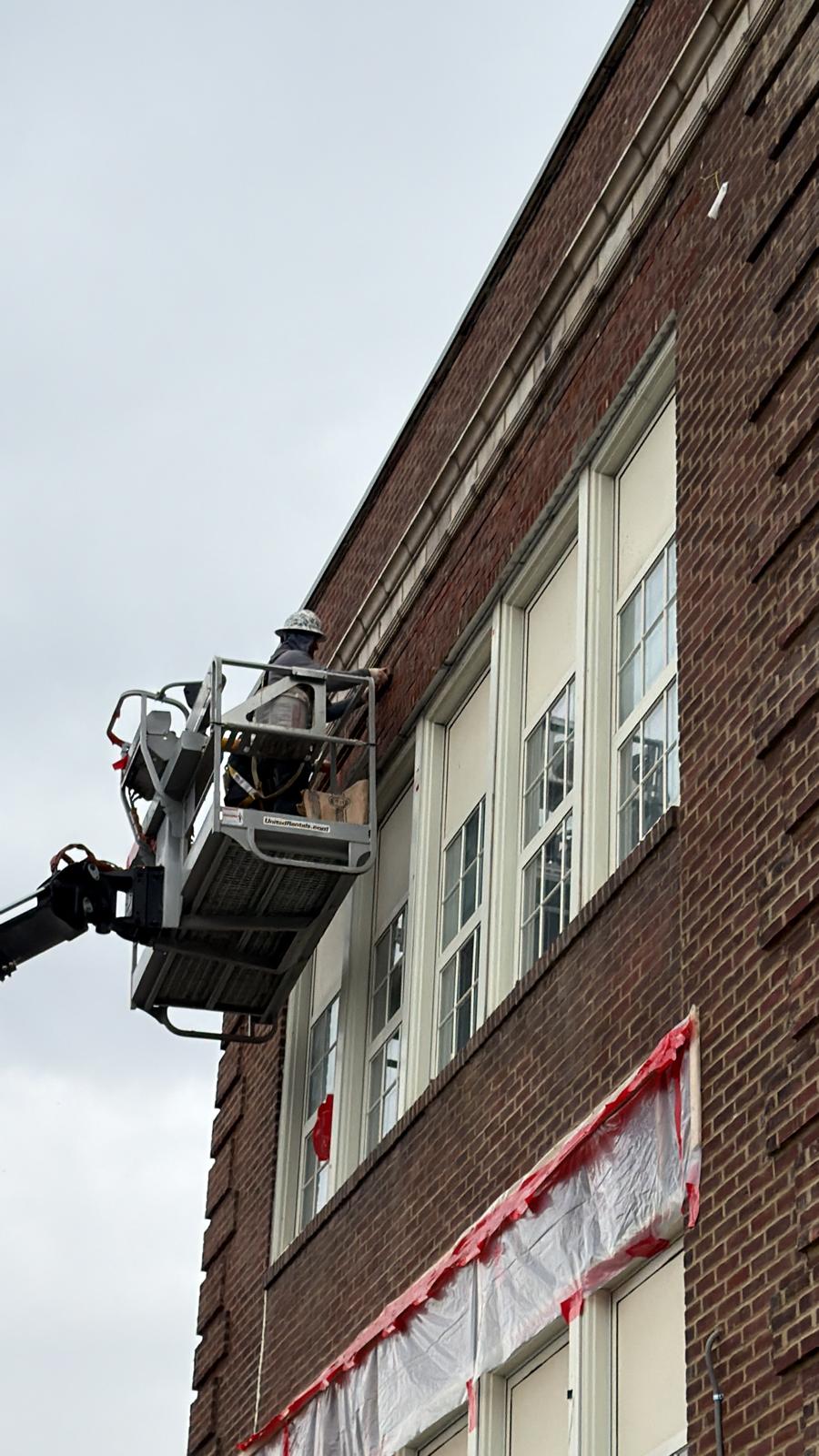
We don’t perform the mandated inspections — we execute the repairs your engineer’s report and reserve study call for. A New Jersey-licensed Professional Engineer inspects and reports; Urbans scopes, phases and builds the corrective work that report identifies, working alongside your association’s engineer throughout. Common scopes include concrete restoration, masonry and brick work, facade work, parapet and balcony repairs, and waterproofing.
Work is planned around occupied buildings, board approvals and reserve budgets, so residents can stay in place while the building is put right. We coordinate with your association’s engineer, document the completed work for the association’s records, and keep the sequence clear for the board at every stage. Contact us for a free consultation about the repair phase for your Red Bank building.
New Jersey’s Structural Integrity Law, S2760/A4384 (P.L. 2023, c.214), was signed on January 8, 2024, following the Surfside collapse. It sets inspection and reserve-study requirements for certain residential condominium and cooperative buildings, with the aim of identifying structural deterioration before it becomes a safety problem. For Red Bank, that matters most for the borough’s older condo, co-op and multi-family buildings around its downtown and riverfront, where age and exposure make the condition of load-bearing elements a board-level concern.
Covered buildings are residential condos and co-ops with concrete, masonry, steel or hybrid load-bearing systems, including podium decks. Inspections under the law are performed ONLY by New Jersey-licensed Professional Engineers, working under ASCE protocols, and reports are filed with the municipal construction official. The law also mandates capital reserve studies, so associations are expected to plan financially for major repair and replacement work over a 30-year horizon, not only react to it.
Reports commonly identify facade deterioration, concrete spalling, masonry damage, parapet defects, balcony problems, steel reinforcement needs, and waterproofing failures. Urbans does not perform those inspections, sign or file engineering reports, or produce reserve studies; we carry out the repairs the reports identify, in the sequence and scope the engineer sets out.
On timing, buildings that were 15 or more years old when the law took effect had their first inspection due by January 8, 2026. That date is now past, and many Red Bank associations are holding reports with required repairs. Re-inspections are required every 10 years for buildings under 20 years old and every 5 years for buildings 20 years old or older. An inspection is also required within 60 days of observable damage to the load-bearing system.
Spalled, cracked and deteriorated concrete in Red Bank buildings is repaired to the engineer’s findings, restoring damaged sections to sound condition.
Cracks in Red Bank walls, slabs and load-bearing elements are repaired according to the findings in the engineer’s report.
Damaged brick and masonry in Red Bank buildings is repaired or replaced where the inspection found deterioration, keeping the structure weather-tight.
Failed mortar joints in Red Bank masonry are raked out and repointed, restoring the masonry’s bond and weather resistance.
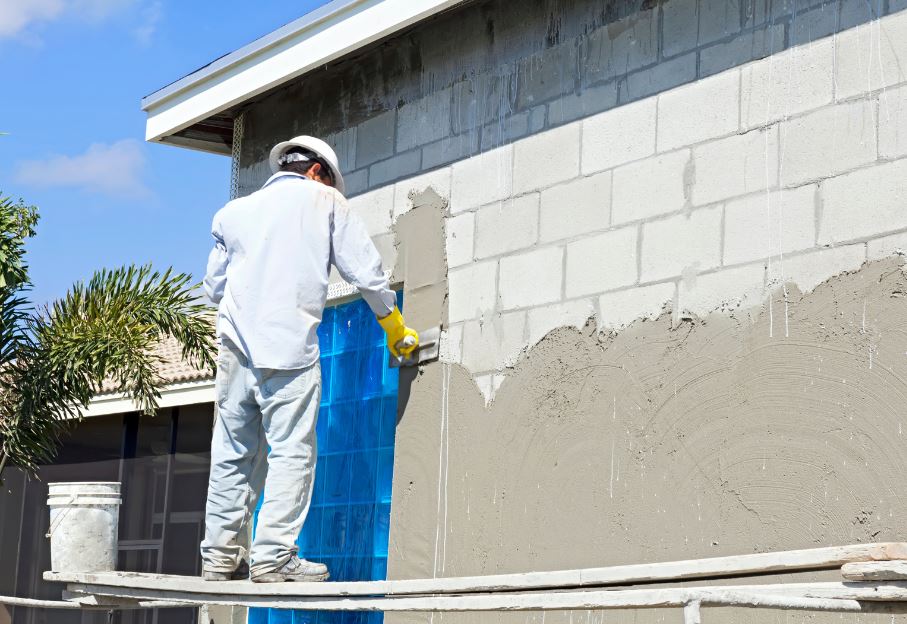
Facade deterioration flagged in a Red Bank report is restored, including cracked surfaces, damaged masonry and failing joints.
Parapet defects are a common report finding. We repair or rebuild Red Bank parapet walls where they are cracked, leaning or deteriorated.
Balcony slabs, railings and connection points in Red Bank are repaired where inspections find deterioration, drainage problems or unsafe conditions.
Where Red Bank reports call for structural steel work, we install or repair reinforcement that supports load-bearing elements.
Waterproofing failures flagged in Red Bank reports are corrected with membranes, coatings and joint sealants that stop further water damage.
Podium decks and parking decks, which the law expressly covers, are repaired in Red Bank where concrete, drainage or waterproofing has failed.
Reserve-study line items for Red Bank buildings are turned into phased construction projects, sequenced around board approvals and budgets.
Once repairs are complete, ongoing maintenance programs help Red Bank associations look after the restored work between inspection cycles.
If you are searching for structural integrity law contractors near me in Red Bank, NJ, your association may already be holding an engineer’s report, or preparing for a reserve-study project. Urbans Contractor INC works with condo and co-op associations, boards and property managers in this Monmouth County borough on the Navesink River, and we work alongside the association’s own engineer throughout the repair phase. For the statewide picture, see our New Jersey structural integrity law repairs page.
Reserve-study capital projects begin as line items in a study and become phased construction projects in real buildings. We help boards turn those line items into a workable sequence: what needs to be done first, what can be grouped into a later phase, and how the work fits within association budgets and approval cycles. Phasing matters because residents stay in place, common areas stay in use, and funding is usually released in stages rather than all at once.
After the report lands, the sequence is straightforward: the engineer identifies deficiencies, the association must complete corrective work in the engineer’s timeframe, and Urbans scopes, phases and executes those repairs. That includes brick pointing and repointing where mortar has failed, exterior and balcony repairs where the envelope or balcony system is affected, and the concrete, masonry, parapet and waterproofing work the report calls for. Once repairs are complete, our annual inspection and maintenance plans help associations stay on top of routine upkeep. We serve Monmouth County communities, including Middletown structural integrity law contractors directly next door and Long Branch structural integrity law contractors nearby, and you can see all of our coverage on our service areas page.
Choosing a contractor for the repair phase is different from choosing an inspector. Urbans is on the construction side of the process for Red Bank buildings: we do not perform S2760 inspections, sign engineering reports or produce reserve studies. Our scope follows the engineer’s report, our phasing follows the building and its budget, and our work is documented so the board can show residents exactly what was done. Contact us for a free consultation.
Work starts from the findings the engineer documented for the Red Bank building, not from a general checklist. That keeps the scope honest: every item traces back to the report, and the board can explain each repair to residents without guesswork.
Repairs are sequenced around residents, common areas, board approvals and reserve budgets. Phasing puts urgent items first and stages larger work, so a downtown or riverfront building in Red Bank stays occupied and usable while repairs proceed.
We work alongside the association’s own engineer during the repair phase, so questions about scope or sequence are answered by the engineer who wrote the report. Urbans does not inspect, sign or file engineering reports — we build what the report requires.
Completed work is documented for the association’s records, giving boards a clear account of what was repaired and where. That record supports future reserve planning and the building’s next inspection cycle.
Urbans Contractor INC operates with a performance-focused mindset, combining field expertise, structured oversight, and accountable execution to deliver dependable construction and renovation outcomes across every project scope.
Our responsibility continues after project delivery, offering practical guidance and long-term durability solutions when needed.
Every assignment is supported by detailed scheduling, material coordination, and quality verification processes to maintain consistency and reduce risk.
With hands-on experience in exteriors, restoration, roofing, concrete, and interiors, we deliver solutions aligned with technical standards and your property goals.
Explore our completed construction and renovation projects, showcasing quality workmanship, structural expertise, and disciplined project management across residential and commercial properties.
New Jersey’s Structural Integrity Law, S2760/A4384 (P.L. 2023, c.214), was signed on January 8, 2024, after the Surfside collapse. It requires inspections and capital reserve studies for certain residential condo and co-op buildings, including those with concrete, masonry, steel or hybrid load-bearing systems. For a Red Bank association, the law turns an engineer’s findings into a repair programme that must be carried out, with funding planned over a 30-year horizon.
No. S2760 inspections may only be performed by New Jersey-licensed Professional Engineers, working under ASCE protocols, with reports filed with the municipal construction official. A contractor cannot sign or file those reports, and Urbans does not offer to. Our role begins after the report: we perform the repair work it calls for, alongside the association’s engineer.
Once the report lands, the engineer has identified the deficiencies and the association must complete corrective work in the engineer’s timeframe. Urbans scopes, phases and executes that work around occupied buildings and reserve budgets — concrete, masonry, facade, parapet, balcony and waterproofing repairs — and documents everything for the association’s records. Contact us for a free consultation about the repair phase.
Buildings that were 15 or more years old when the law took effect had their first inspection due by January 8, 2026 — a date that has now passed, so many Red Bank associations are already working from a report. Re-inspections follow every 10 years for buildings under 20 years old and every 5 years for buildings 20 years old or older. An inspection is also required within 60 days of observable damage to the load-bearing system.
Capital reserve studies identify the major repair and replacement items a building will face, and fund them over time. Those line items become phased construction projects that fit board approval cycles and reserve budgets: urgent work first, larger work staged. Urbans does not produce reserve studies — we execute the projects they call for, and ongoing maintenance plans then help keep the restored work in good condition.